
Commercial Roof Restoration & Roof Coatings in Montana
Reviving aging commercial roofs is what we do, and it's where our name comes from. As an Approved American WeatherStar Contractor, we restore older roofs with high-quality American WeatherStar coating systems, including silicone and acrylic coatings, often instead of a costly tear-off.
Prefer email? sam@revivecommercialroofing.com · Mon–Fri 8 AM–5 PM MT
What is a roof restoration coating?
A restoration coating is a liquid-applied system that goes on over your existing roof after it's cleaned, repaired, and prepared. It cures into a seamless layer that seals the surface against water and protects it from weather and sun.
Because the old roof stays in place, restoration usually means less disruption to your business and much less tear-off waste than a full replacement.
Is my roof a good candidate?
Restoration works best when the roof deck and most of the existing roof are still sound. A roof with widespread trapped moisture or structural damage may need repairs or a new TPO or PVC membrane instead. That's why every project starts with an inspection, and your first inspection is free.

Approved American WeatherStar Contractor
American WeatherStar makes coating systems for commercial roofs. As an approved contractor, Revive installs American WeatherStar systems on commercial buildings in Montana.

A seamless new surface over the roof you already have.
Silicone and acrylic roof coatings
The right commercial roof coating depends on your roof's surface, slope, drainage, and condition. We'll recommend one after the inspection.
Silicone coatings
Silicone roof coatings are widely used on low-slope commercial roofs and are known for standing up well to sun and weather.
Acrylic coatings
Acrylic roof coatings are water-based, typically bright white and reflective, and are commonly used on metal and sloped roofs.
Other systems
Other coating types may fit some roofs better. We'll explain the options for your specific roof surface.
Roofs we can often restore
- Metal roofs (see metal roof restoration)
- Aging single-ply roofs (TPO, PVC, EPDM, etc.)
- Spray polyurethane foam (SPF) roofs that need a recoat
- Other low-slope commercial roofs, after inspection
Silicone vs. acrylic roof coating: which fits your roof?
Building owners often ask us which roof coating is "best." The honest answer is that it depends on the roof. Here is how we think about the two most common choices for commercial roof restoration:
Silicone roof coating
Silicone is a common choice for flat and low-slope commercial roofs. It holds up well to sun and weather, and it's often chosen for roofs where some water sits after rain or snowmelt. Silicone goes on over a clean, repaired surface and cures into a seamless membrane over seams, fasteners, and penetrations.
Acrylic roof coating
Acrylic coatings are water-based, usually bright white, and reflective. They are widely used on metal roofs and sloped roofs that shed water quickly, and they are a good fit for many metal roof restoration projects.
What decides it
- Drainage. Roofs that hold water after storms need a coating rated for those conditions, or drainage repairs first.
- The existing surface. Metal, single-ply, spray foam, and older coated roofs each need different cleaning, primers, and repair materials.
- Condition underneath. A coating is only as good as the roof it goes on. Wet insulation or a failing deck has to be fixed first.
- Your plans for the building. How long you plan to own or use the building affects which system makes sense.
We'll explain the options for your roof in plain language after the inspection, including when a coating is not the right answer. For a deeper look, read our guide to roof coating vs. roof replacement.
What's included in a commercial roof restoration
A coating restoration is more than spraying paint on a roof. The prep and repair work is what makes it last. A typical project includes:
- Inspection. We walk the whole roof and check the surface, seams, flashing, drains, and penetrations, and look for signs of trapped moisture.
- Cleaning. Dirt, loose material, and old failed coating are removed so the new system bonds to the roof.
- Repairs. Open seams, loose or rusted fasteners, failed flashing, and damaged areas are repaired before any coating goes on.
- Detail work. Pipes, vents, curbs, and rooftop units get extra attention, because that's where most leaks start.
- Coating. The American WeatherStar coating system is applied over the prepared roof to form a seamless, sealed surface.
- Walkthrough. We go over the finished roof with you and talk about simple maintenance to keep it in good shape.
Roof coatings and Montana weather
Montana roofs see freeze-thaw cycles, heavy snow, hail, wind, and strong summer sun, sometimes in the same year. Those conditions open seams, loosen fasteners, and crack flashing. A seamless coating seals those weak points across the whole roof. Because coatings need dry weather and temperatures within the manufacturer's limits, most coating work here is scheduled in the warmer, drier months. Inspections and repairs can often happen earlier, so spring is a good time to plan a summer project.
We restore commercial roofs in Missoula, Kalispell and the Flathead Valley, and across Montana, and take on larger projects in North Idaho and eastern Washington.
How a coating restoration project works
Inspect
We check the roof to see if it's a good fit for restoration and what needs repair first.
Prepare & repair
The roof is cleaned, and problem areas such as seams, fasteners, and flashing are repaired.
Coat
The American WeatherStar coating system is applied over the prepared roof.


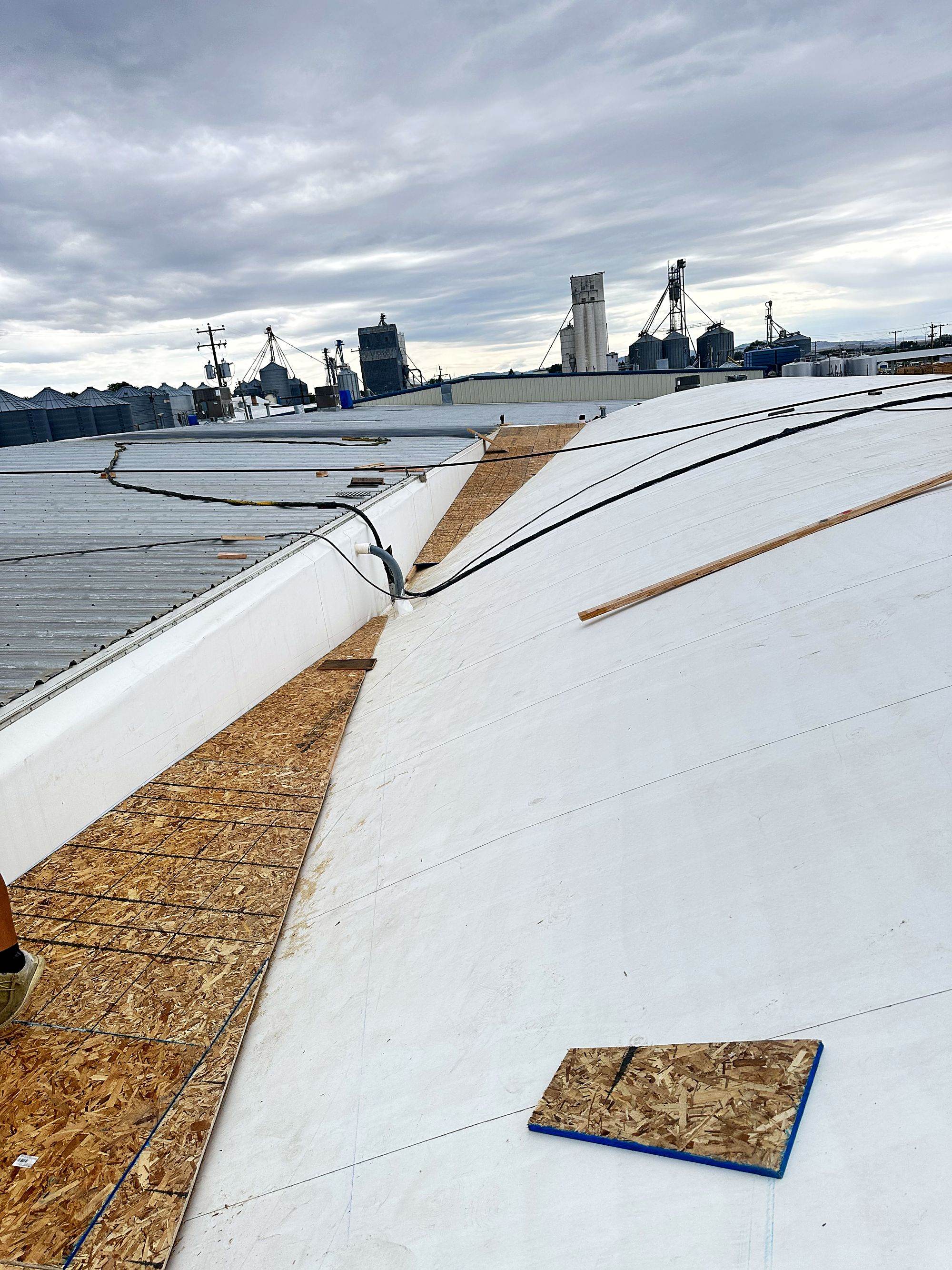
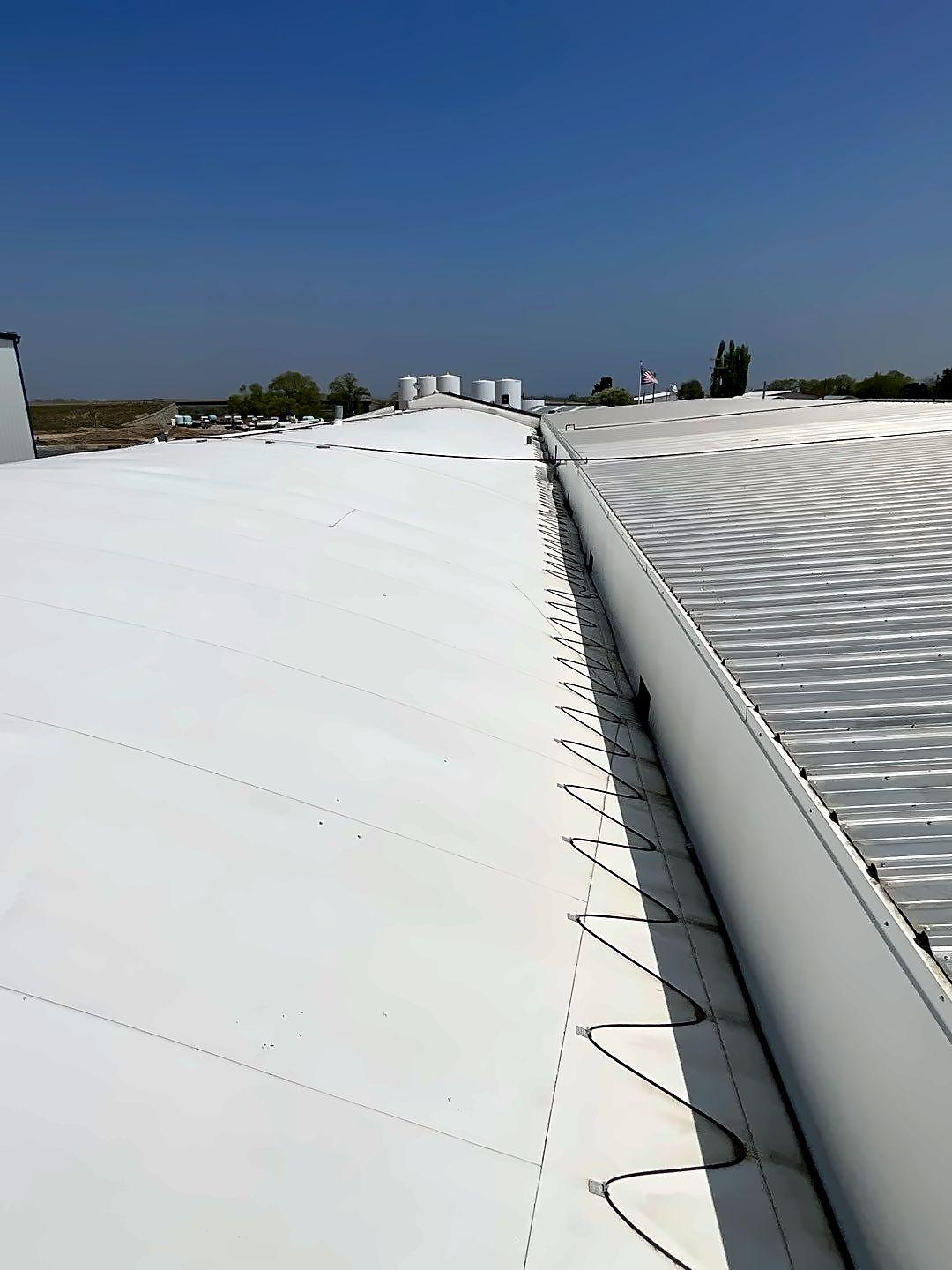
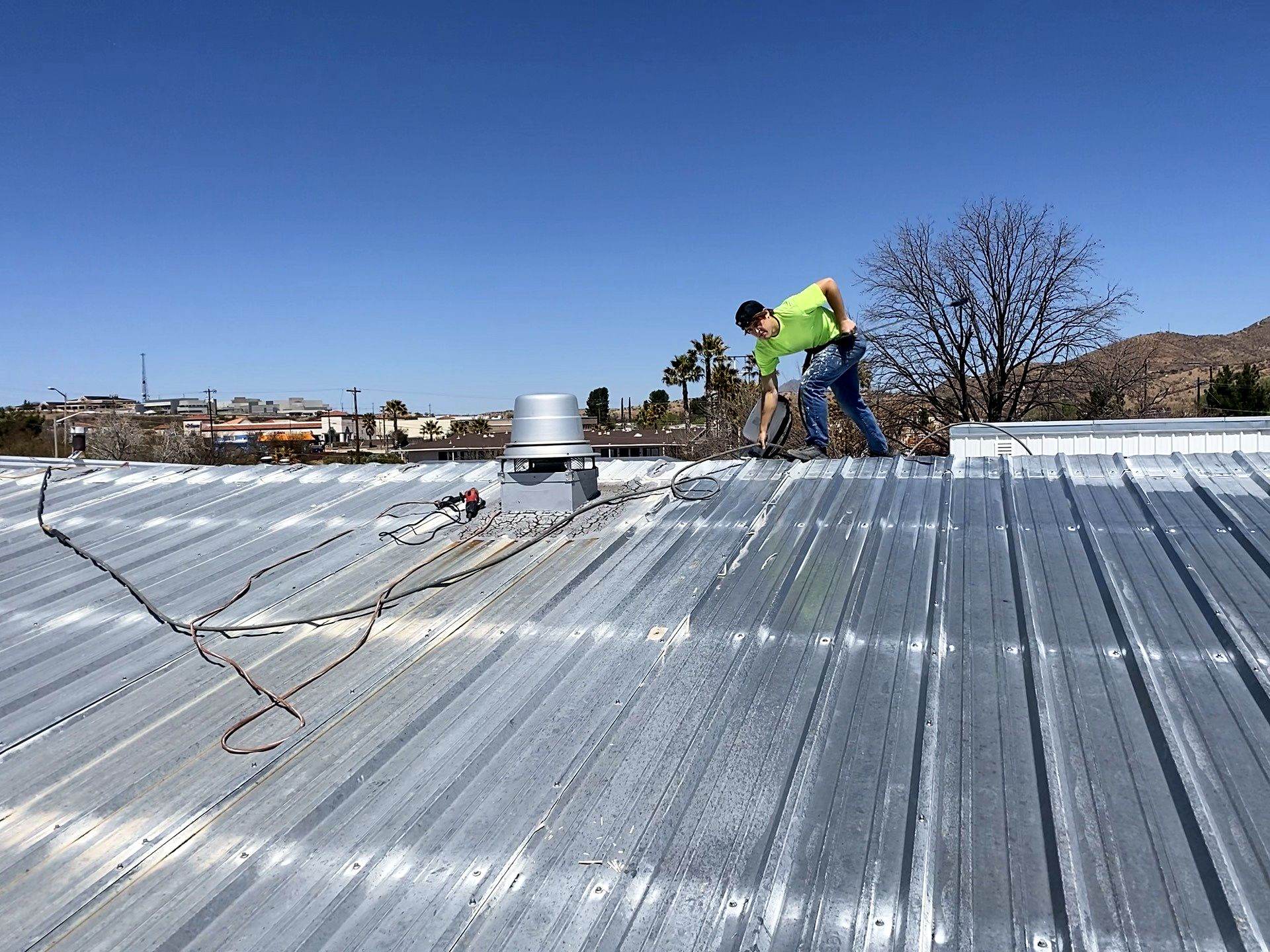
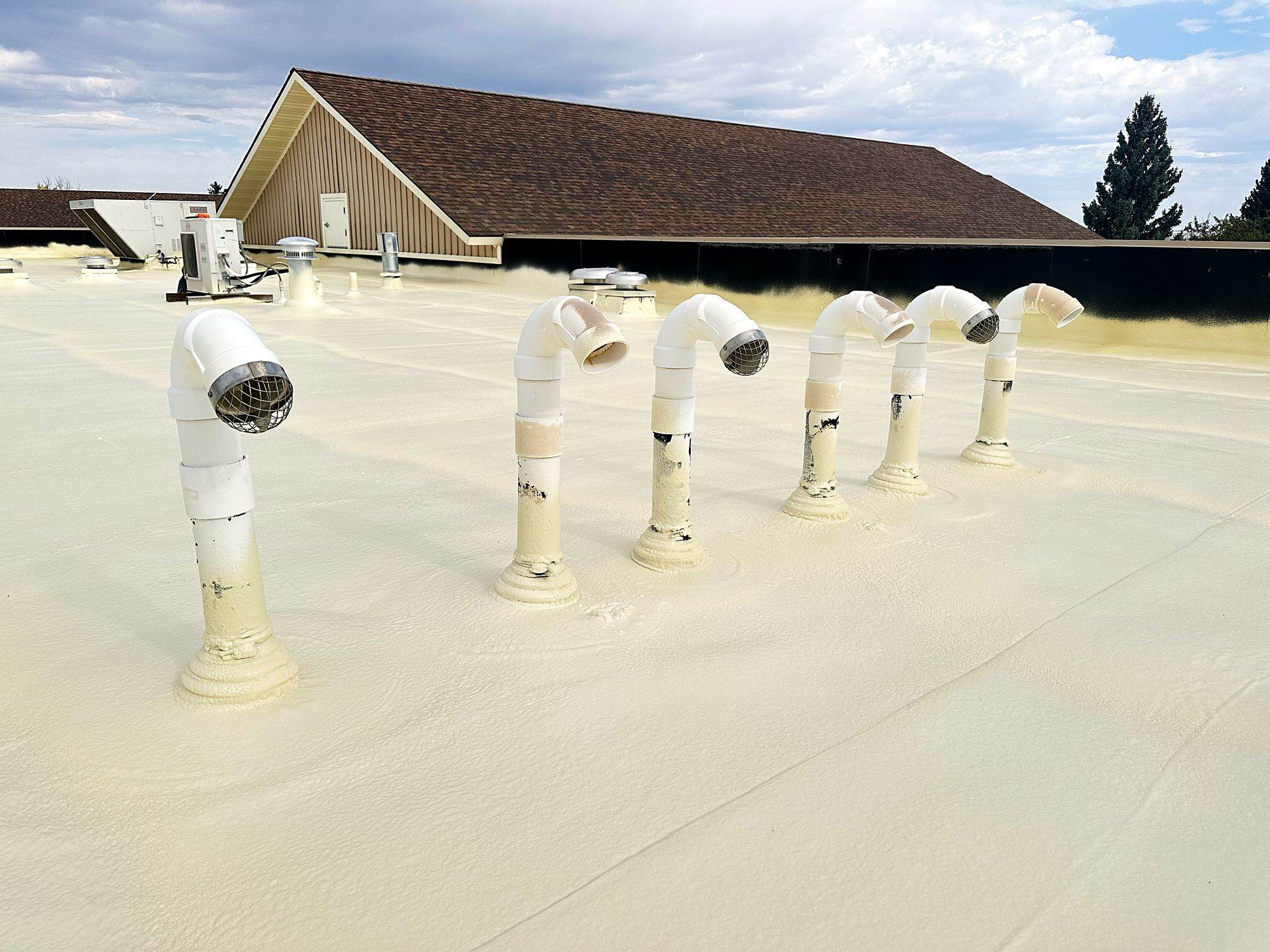
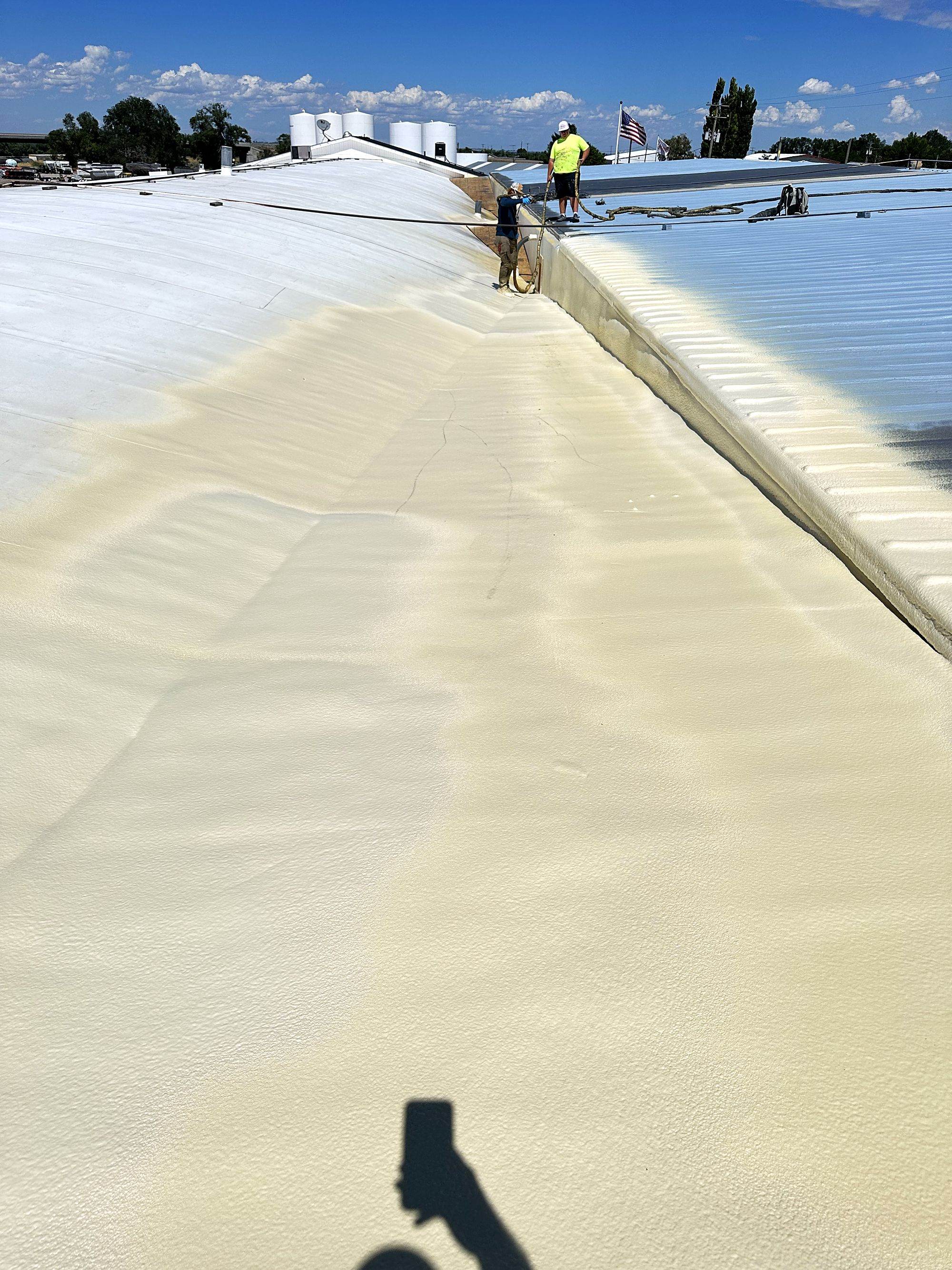
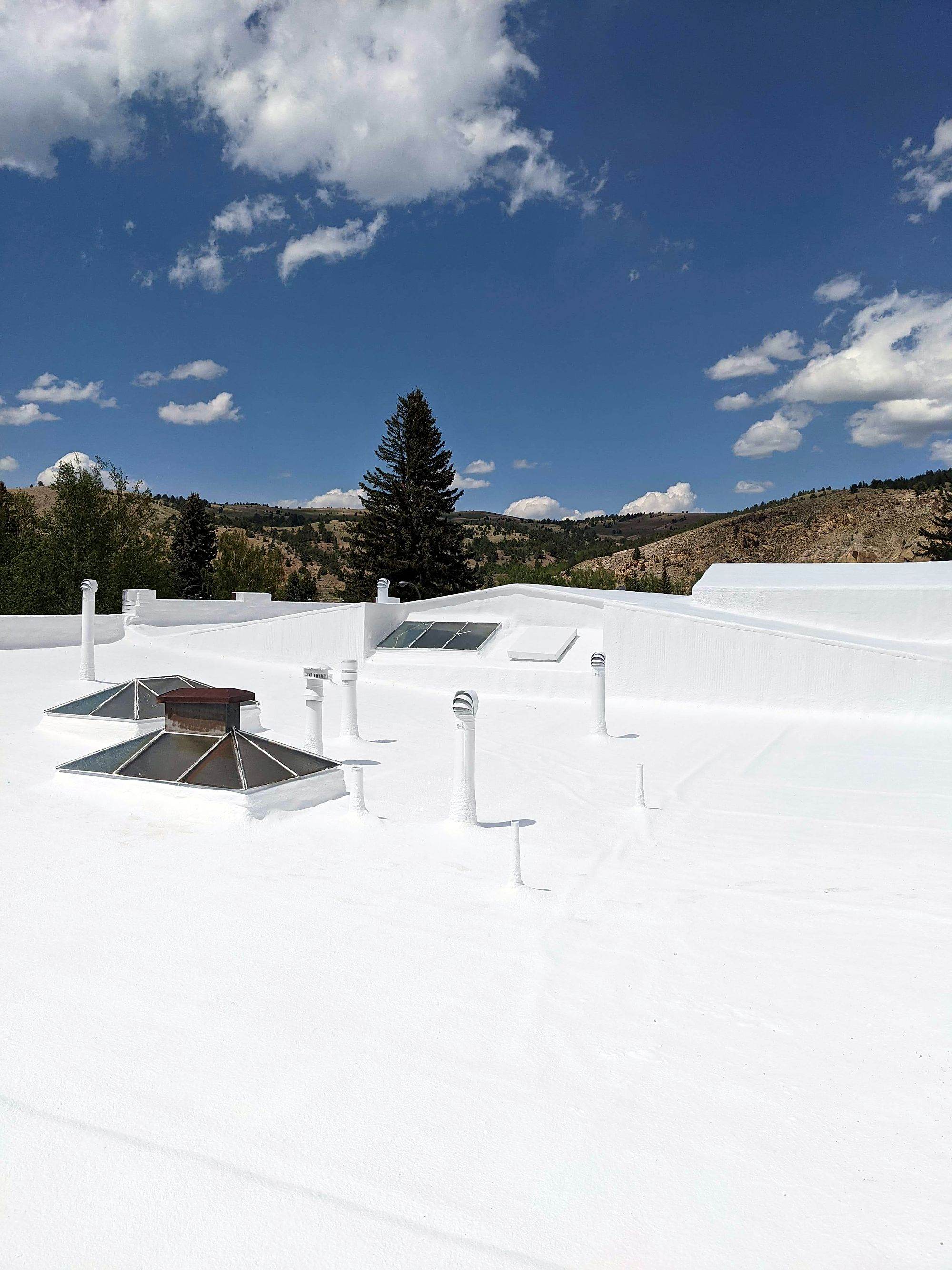
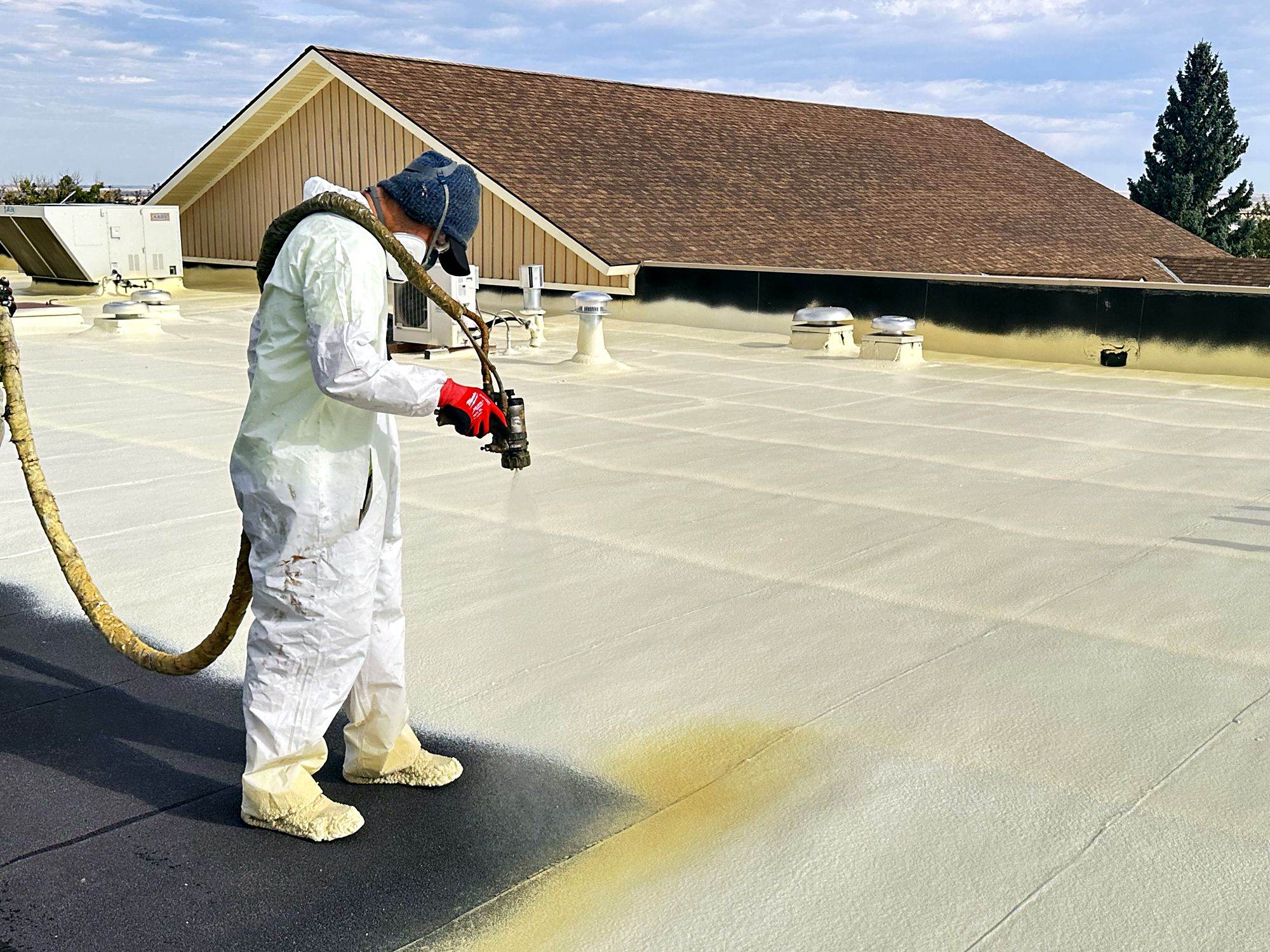
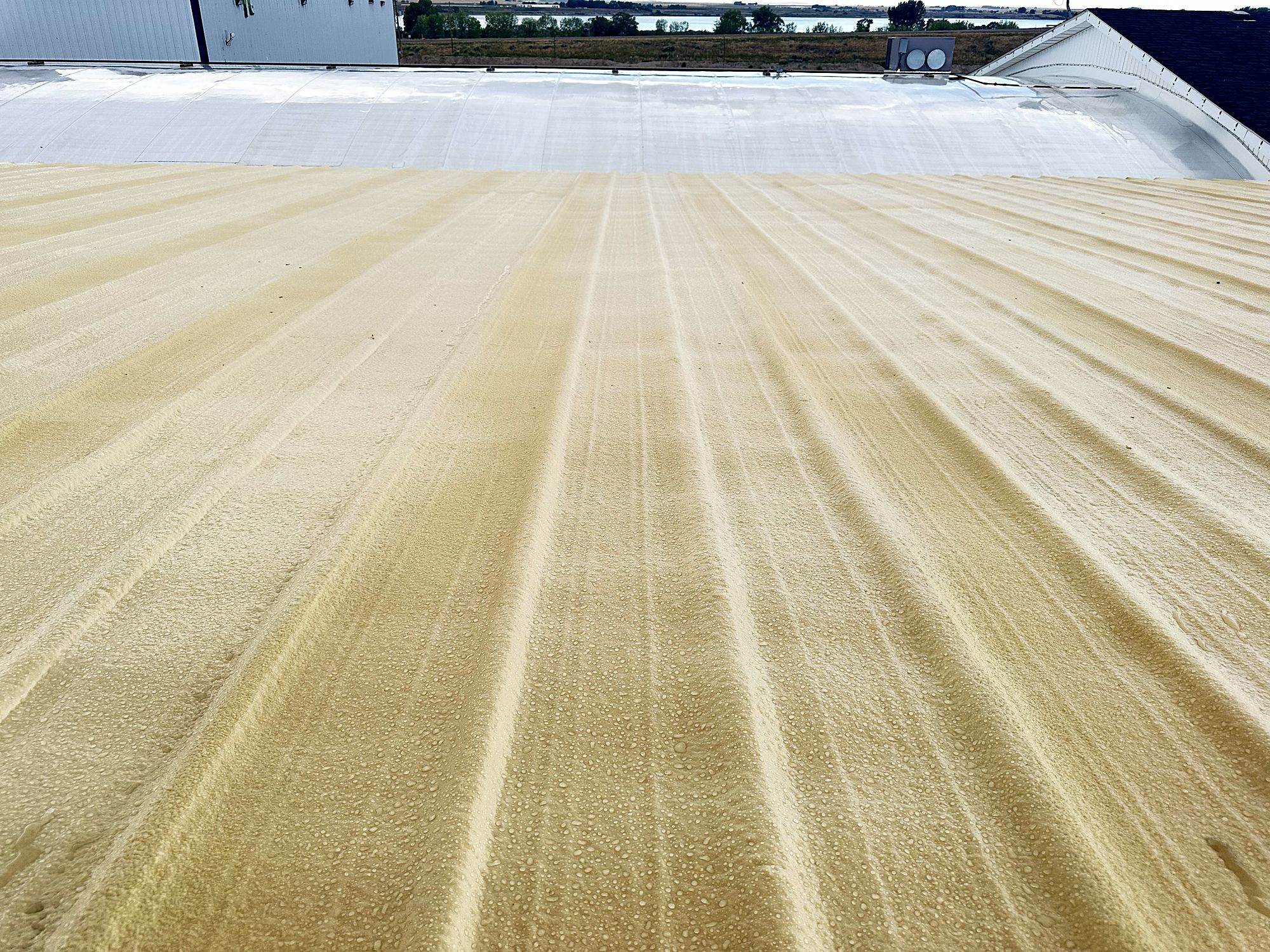
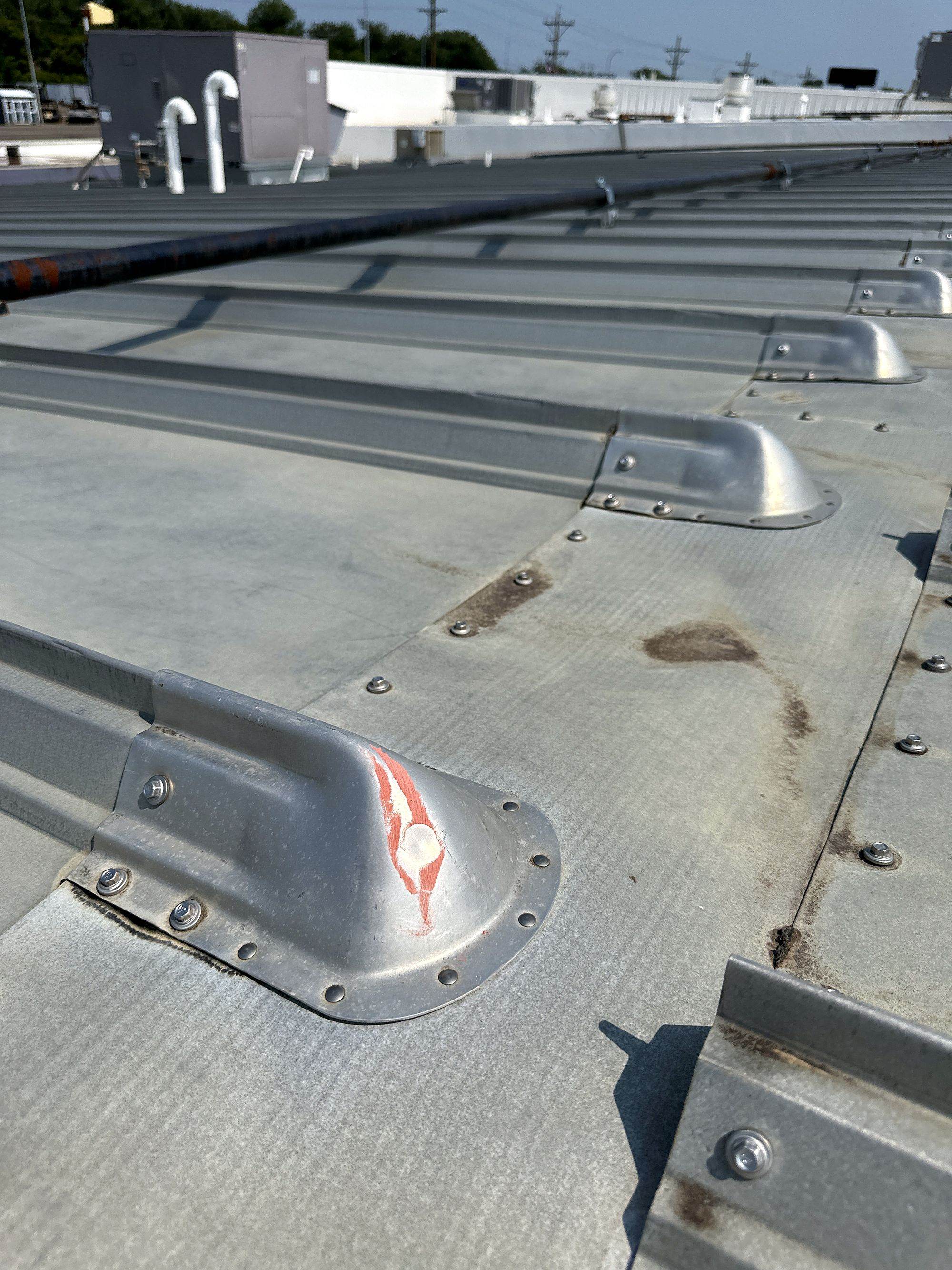
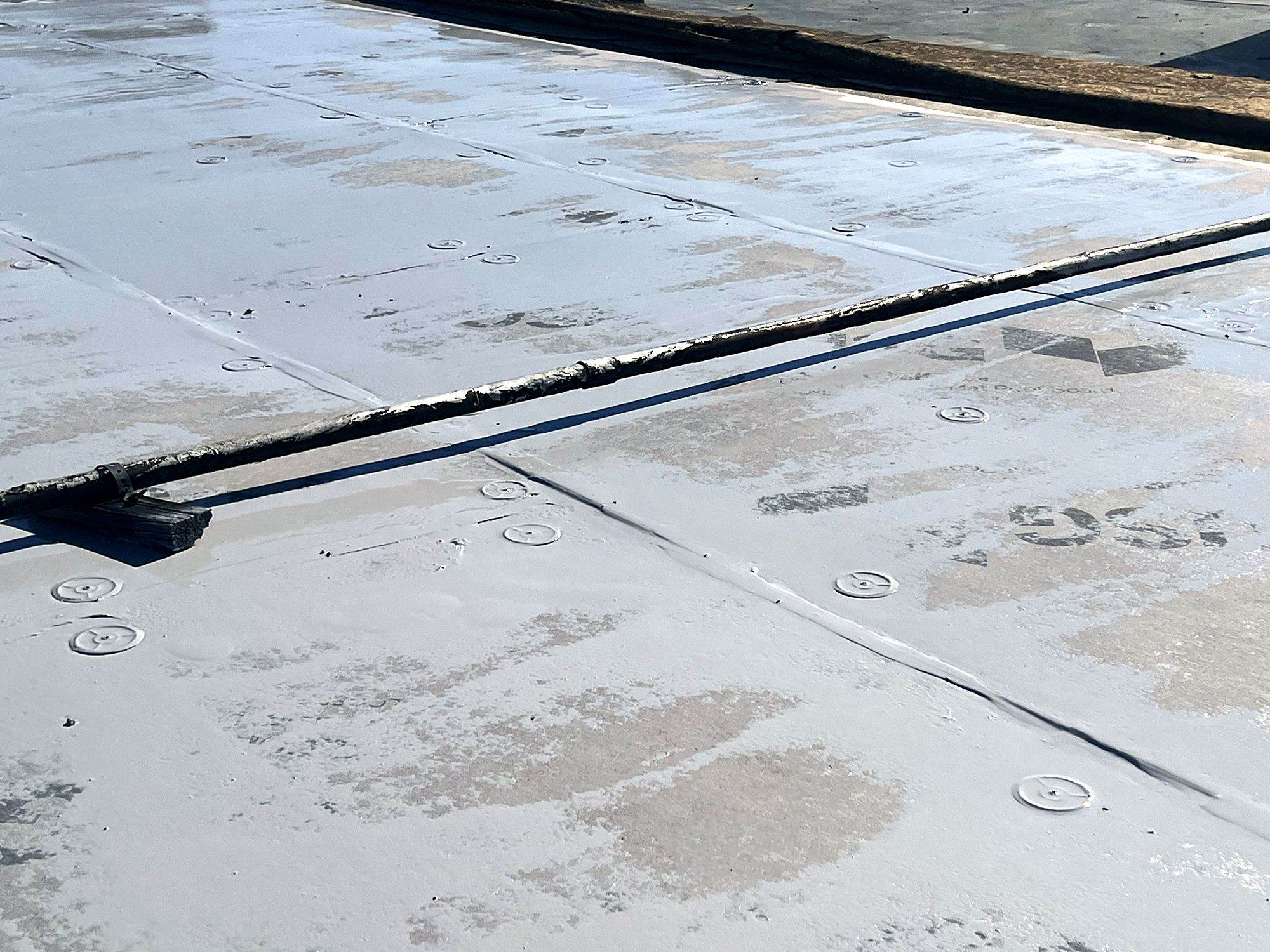
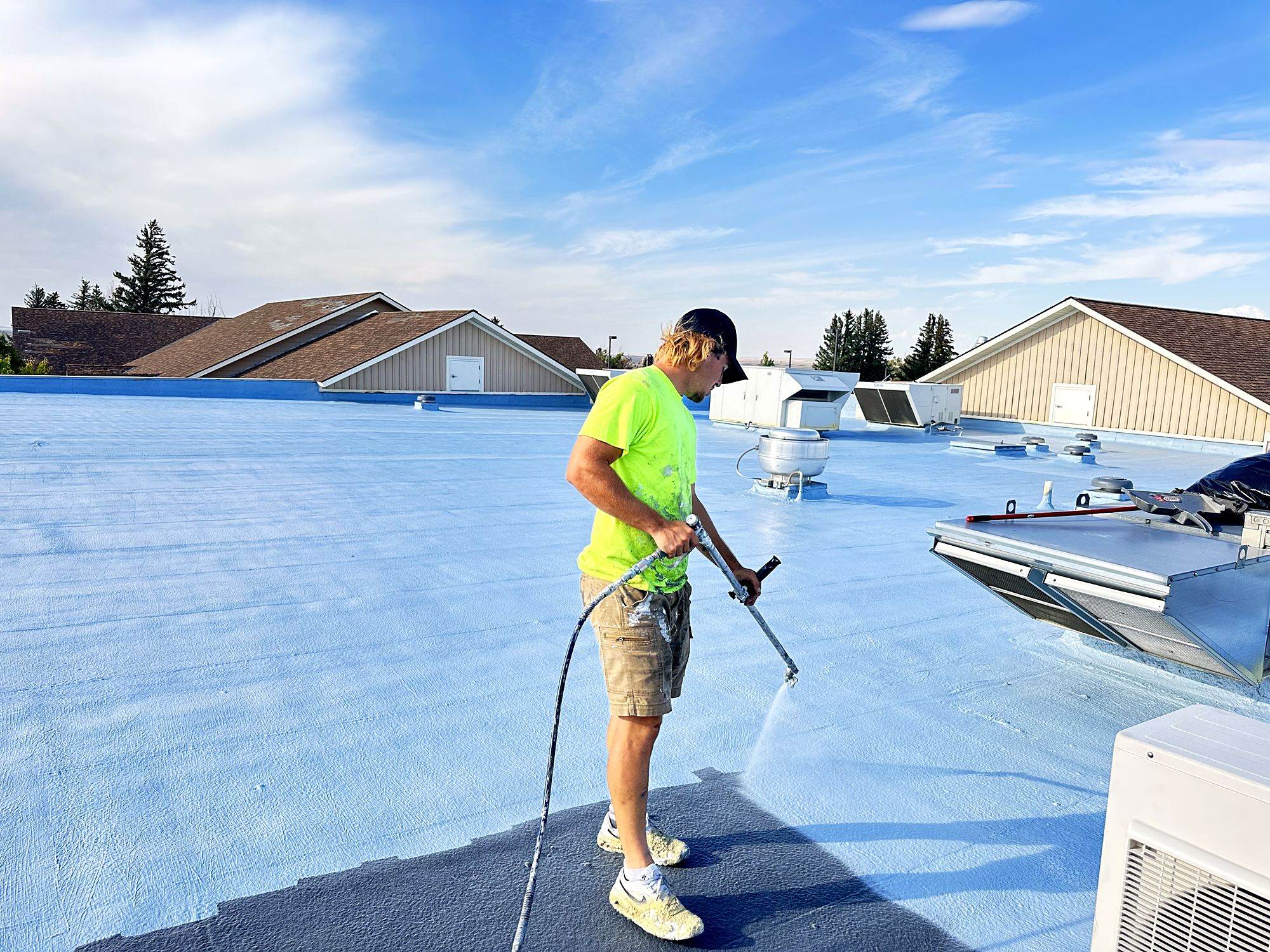
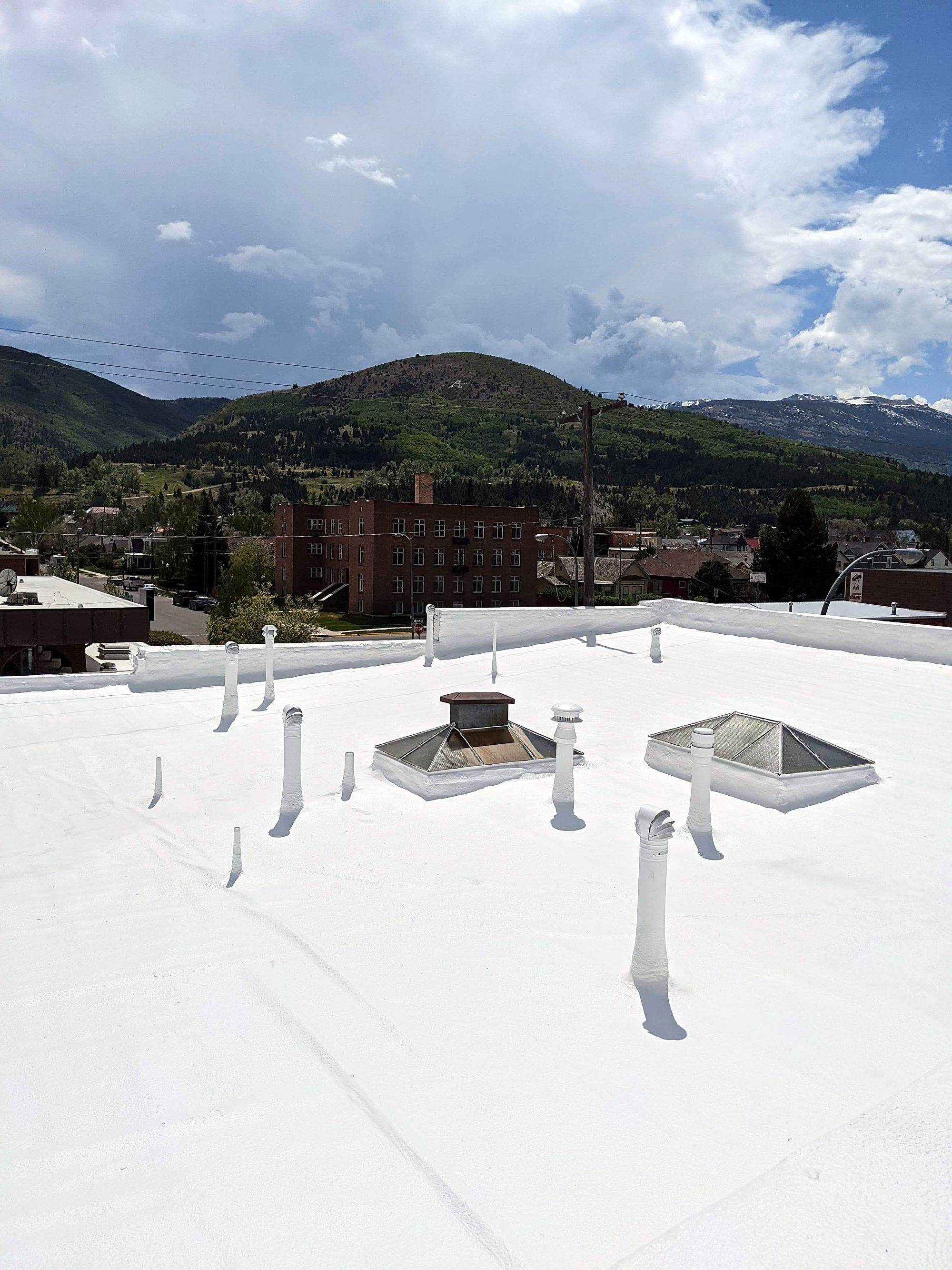
How we revive a roof
From inspection to finished coating, on real Revive jobs.
Commercial roof coating FAQ
Can a roof coating stop leaks?
A coating seals the roof surface, but leaks have to be found and repaired first. We repair seams, flashing, and penetrations before coating, so the finished roof is sealed from edge to edge.
Is my building able to stay open during a coating project?
Usually, yes. The work happens on top of the existing roof, so most businesses keep operating while we work. We'll plan around deliveries, parking, and rooftop equipment with you.
Do you have to tear off my old roof?
No, that's the point of restoration. When the deck and most of the existing roof are sound, the old roof stays in place and is cleaned, repaired, and coated. Wet or damaged areas are cut out and replaced first.
Silicone or acrylic: which is better?
Neither is best for every roof. Silicone is common on flat, low-slope roofs; acrylic is common on metal and sloped roofs. We recommend a system after we inspect your roof.
What brand of coating do you use?
Revive is an Approved American WeatherStar Contractor and installs American WeatherStar roof coating systems.
How do I find out if my roof can be coated?
Start with a free roof inspection. Your first inspection is free, and we'll tell you plainly whether your roof is a good candidate for a coating, needs repairs, or needs a new TPO or PVC membrane.

Find out if your roof can be restored
Start with a free roof inspection. We'll tell you whether a coating makes sense for your building.